Manfred Muellers on Leadership, Legacy and the Discipline of South African Kitchens
Veteran chef Manfred Muellers reflects on shaping South Africa’s culinary identity on the global stage.
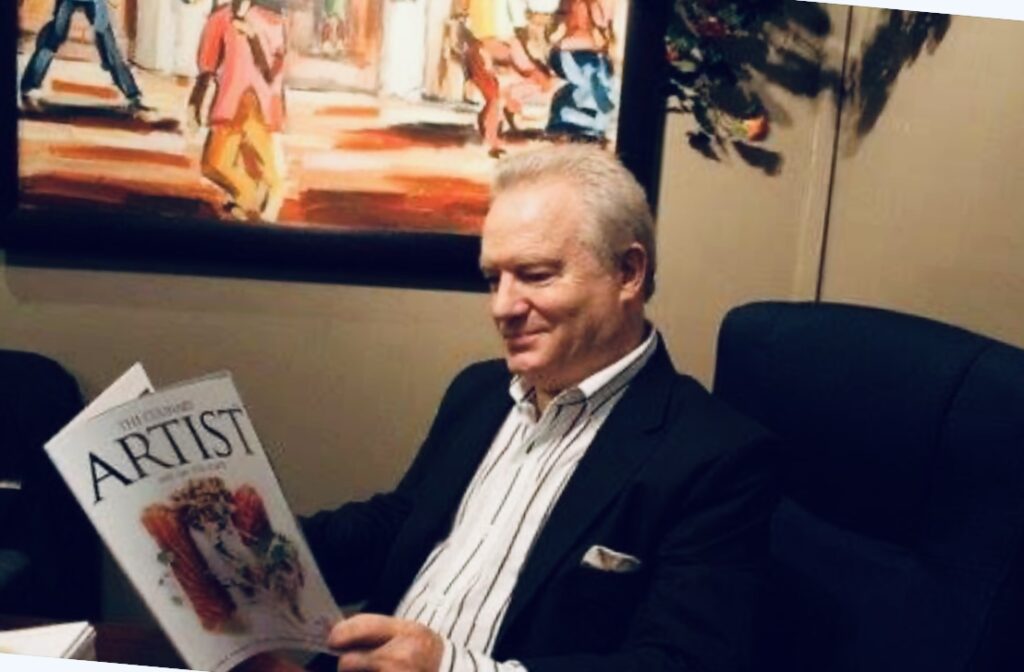
He is a chef whose career has been defined by discipline, classical training, and an unwavering commitment to professional standards. With decades spent in kitchens, classrooms, and leadership roles, his influence extends well beyond the plate. Known as a staunch defender of French classical cuisine, he believes that true creativity is born from mastery of fundamentals, respect for ingredients, and consistency in execution.
Across his career, he has shaped generations of chefs through education, mentorship, and national leadership. From guiding South Africa onto the global culinary stage to championing structured training and professionalism, his work has helped position local chefs in international competitions and networks. This conversation explores the lessons that have defined his journey from early ambition to lasting legacy.
What was your ‘aha’ moment that made you decide to become a chef?
I originally wanted to become an aerospace engineer, focused on designing jet engines, but life had different plans. When that path didn’t work out, my attention turned to hotels. I remembered seeing hotel guests dressed opulently and clearly enjoying themselves, and that image stayed with me. I decided that if I focused on culinary education first, followed by management studies, I would gain the knowledge and confidence to eventually become a hotel manager.
How has your culinary style evolved from your early days in the kitchen to now?
My cooking style has always been rooted in French classical cuisine, and I remain a true defender of this genre. I believe food should be prepared according to professional standards, using only the freshest ingredients, and with respect for technique and tradition.
How do you balance creativity with the realities of running a profitable kitchen?
Creativity comes from mastering correct basic cooking techniques. Once those fundamentals are in place, calculating ingredient costs accurately, controlling preparation processes, and ensuring clean, balanced plating will ultimately deliver the desired profit margin.
Who mentored you into the chef you are today, and how do you pay that mentorship forward?
Sadly, no one formally mentored me. I educated myself continuously throughout my career and actively sought opportunities to improve. Over the past 40 years in tertiary education, I have focused on passing my knowledge on to students, particularly in management, instilling confidence and motivating them to never stop learning.
What’s the best leadership advice you’ve ever received, and how does it shape your leadership?
Throughout my early years, colleagues and students often told me that my approach to teaching, my willingness to give advice, and my ability to motivate others helped them become successful. That feedback shaped my leadership style and reinforced the importance of leading through encouragement and example.
What’s the biggest business lesson the kitchen has taught you?
Motivation is key to a successful business. Motivated teams deliver consistent quality, which leads to repeat customers. Those customers, in turn, become the most effective marketers of your establishment.
What’s your non-negotiable when it comes to sourcing and sustainability?
Quality and consistency of service, combined with the reliable availability of required products, are non-negotiable. When sourcing staff, they must be enthusiastic, knowledgeable, professional, reliable, and efficient. More importantly, they should add value to the overall operation and contribute to profitability.
Has South Africa found its culinary identity yet, and what must we do to strengthen our cuisine globally?
South African chefs are currently establishing a cultural identity in their food offerings. However, this creates challenges, particularly in the upmarket restaurant sector. A lack of basic training, development, and consistency, as well as compromises in preparation processes, are noticeable and must be addressed to strengthen our global standing.
What have you personally contributed to South African cuisine or food culture, and what impact do you hope it makes?
During my term as President of the South African Chefs Association, I secured South Africa’s membership in the WorldChefs Association. This enabled our national culinary teams to participate in internationally endorsed competitions and global professional networks, placing South African chefs firmly on the world map.
I was privileged to manage the first-ever South African National Culinary Team at the Culinary Olympics, where they were awarded a gold medal. I was also honoured to be invited to serve on the international jury panel at the Culinary Olympics.
In addition, I served on the first National Committee of the Chaîne des Rôtisseurs as National Culinary Counsellor. This affiliation allows young chefs to participate in international competitions, further developing their careers.
What has cooking for people taught you about life?
Cooking for people will always be a challenge. It demands attention to detail and a constant commitment to meeting and exceeding expectations. That responsibility has shaped both my professional discipline and my sense of purpose as a chef.