Jemma Blom: Crafting Calm Through Clay and Watercolour
Discover Jemma Blom Studio: handmade ceramics and nature-inspired art from Pretoria. Specialising in soft glazes, mindful design, one-of-a-kind pieces.

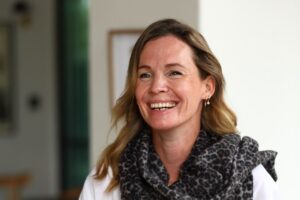
Jemma Blom stepped away from interior design to follow a quieter calling of becoming a potter, painter, and ceramicist in Pretoria. Working with clay, glazes, and watercolours, she creates everyday ceramic pieces and soft, nature-inspired artwork shaped by calm, texture, and understated beauty.
Her work invites you to step into her world — to explore an art form where each glaze test, kiln opening, and brushstroke is crafted with intention and a deep love for materials that feel honest and handmade.
What first drew you to clay as your creative medium?
I discovered clay when I took a pottery class with my mom. That was my first introduction, but the real shift happened after my second child was born. Pottery became the one place where I could escape for a couple of hours and reconnect my mind and my hands. Clay felt like the slow, grounding counterbalance I didn’t know I needed. Clay is a feeling. It grounds me in a way nothing else does.
How does working with your hands and clay shape your artistic direction?
Making by hand slows me down and keeps me connected to each piece. Every mark or texture becomes part of its story, so the direction is always guided by feel rather than perfection. I am naturally a perfectionist, and working with clay has taught me so much about myself. Nothing is ever perfect, and no two pieces will ever turn out exactly the same. Letting go of perfection and learning to see beauty in individuality has been incredibly freeing. The tactile way of working guides my choices, from the forms I favour to the glazes I mix and the way I allow colours to move, break, and pool. It feels like a physical conversation I am having with the clay.
When did you realise pottery could become more than a personal passion?
The shift happened slowly. When my husband and I built my home studio in 2022, pottery stopped being an occasional hobby and became part of daily life. As I learned to fire my kiln and began experimenting with mixing my own glazes, something clicked. I realised I didn’t just love pottery, I wanted to build a life around it. The more I created, the more connected I felt to the process, and the more people responded with genuine interest and warmth. That was when I knew it could grow into something bigger.
In what ways has your background in interior design influenced your ceramics style?
My interior design background shaped the way I see colour, proportion, and texture. Designing spaces taught me to pay attention to details people might not consciously notice but still feel. The way tones interact, how materials affect the mood of a room, and how balance creates calm. Those instincts naturally carried into my ceramics. Instead of designing spaces for people to live in, I now create objects they can live with.
How would you describe your design philosophy?
I do not think of what I do as a strict design philosophy. It feels more like art. I love clean shapes and simple lines mixed with organic movement, natural textures, and soft variation in colour. I am always looking for the balance between structure and flow, between something considered and something that still feels alive. My work is guided more by feeling and intuition than by rules, and I think that is what keeps it authentic to me.

Why do you choose to work slowly in a world that moves so fast?
I work slowly because making something by hand takes patience, attention, and presence. After years in a structured nine to five, I have learned how much I value that kind of time. Rushing through clay or glaze never produces anything that feels alive. Slowing down allows me to connect with each piece, notice small details, and let the material guide me. It also gives me space to be present with myself, which is just as important as the work itself.
What helps you stay grounded between the creative flow of making and the practical demands of running a business?
Routine helps, but so does remembering why I started. I try to carve out time each day for making, even if it is a small moment. That keeps me connected to the creative side, which fuels everything else. Planning and organisation take care of the business side, but staying grounded really comes from being in the studio, hands in clay, and giving myself space to experiment without pressure.
What have been the biggest lessons you have learned in turning your art into a business?
That everything takes time. Growth is slow and that is okay. I have also learned to trust my style and not compare myself to others. Consistency and honesty in what I make matter far more than speed.
How do your ceramics encourage people to live more consciously and sustainably?
I hope my work encourages people to slow down, notice small details, and appreciate objects that are handmade. Choosing ceramics over mass-produced items is part of that, but it is also about creating pieces that are timeless and usable every day. Each piece carries a sense of care, intention, and individuality, and I hope that helps people bring a little more awareness and presence into their daily lives. When someone chooses a handmade object, they connect to the person behind it, and they tend to keep it for years. That kind of connection is sustainable in itself.
How do you balance beauty and function when designing your pieces?
Function is always important, but I try not to let it limit my creativity. I start with practical forms and shape them with care, paying attention to weight and feel. Glazes and textures then add visual interest. The goal is to create pieces that are both useful and beautiful, something you reach for every day because it feels right in your hands.
Your work feels introspective. What do you hope people feel when holding your pieces?
I hope people feel something personal when they hold my pieces. The most meaningful responses are when someone sees their own memories reflected in the colours and the movement of the glaze. Some people describe freshly ploughed earth, a tree line, a quiet meadow or an orchard on a rainy day. Others say the work feels calming or reminds them of a landscape they once visited. I love that everyone experiences something different. My hope is that the pieces create a moment of quiet, a small connection to nature or a memory that feels grounding. If the work makes someone pause and feel something real, then it has done exactly what I hoped it would.


How do you decide when to create what sells versus following your creative instincts?
I try to let my instincts lead. I pay attention to what resonates with people, but I will not compromise the process just to create something predictable. If I am excited about a shape, glaze, or technique, I make it. Following my instincts keeps the work authentic and keeps me motivated.
What materials, textures, or glazes do you most enjoy experimenting with and why?
I am really enjoying working with terracotta, greens, and soft whites at the moment. This palette feels earthy and grounded and reflects the landscapes and quiet places that inspire my work. I love experimenting with glazes that have subtle movement, whether that is layering, pooling, or breaking over texture. Those small shifts keep each piece unique and help me capture the natural, organic feel I am always aiming for.
With your design eye, how important is storytelling in shaping your brand identity?
Storytelling is central to my work because each piece carries a bit of my process, my studio, and the quiet places that inspire me. Sharing this helps people understand the care and intention that goes into every object. It is not just about selling ceramics. It is about inviting people into the journey and the making process behind each piece.
What have been the most rewarding and most challenging parts of building your brand?
The most rewarding part is connecting with people who genuinely love handmade work. The challenging part is doing everything yourself. It teaches you a lot, but it can feel overwhelming at times. Still, I would not trade it.
What advice would you give your younger self about starting a creative business?
I would tell myself to trust the process and be patient. It is okay to start small and learn as you go. You do not need everything to be perfect before you begin. Creative work takes time and the only way to grow is to keep making and stay true to what feels right in the studio. Trust your instincts more. They usually know where you are going long before you do.
Images courtesy of Jemma Blom | www.jemmablomstudio.com